

If you’ve been microdosing psilocybin for weeks or months and feel like you’ve hit a plateau, you’re not alone. Many people describe microdosing as helpful maintenance-subtle mood lifts, slightly sharper focus-but wonder whether something deeper is available. The answer, according to a growing body of research, may lie in adding one carefully planned macrodose to your routine.
Key Takeaways
- A macrodose is a full psychedelic dose of psilocybin (roughly 2–5 g of dried magic mushrooms) taken infrequently, often as a complement to an ongoing microdosing schedule.
- Research from 2016–2024 at Imperial College London, Johns Hopkins, and published in Nature suggests a single high-dose psilocybin session can “reset” the default mode network and other brain regions involved in depression and rigid overthinking.
- One or two doses of psilocybin can relieve depression for up to a year, according to clinical data-far beyond what most conventional treatments achieve in the same timeframe.
- Many Canada Shrooms customers in Canada use one guided macrodose to deepen or reboot the benefits they get from microdosing for mental health and wellbeing.
- Macrodosing should be rare, intentional, and ideally done with a trusted trip sitter or integration support-not as casual self-medication.
What Is a Macrodose (vs. Microdose)?
A macrodose is a high, clearly psychoactive dose of a psychedelic drug like psilocybin-enough to produce a full-spectrum experience with altered perception, emotion, and sense of self. Here’s how the two approaches compare:
- Macrodose range: Typically 1.5–3.5 g of dried Psilocybe cubensis (a common magic mushroom strain) for most people. Experienced users sometimes go up to 5 g, though anything above that enters massive dose or “heroic” territory and carries considerably more risk.
- Microdose range: Sub-perceptual low doses, usually 0.05–0.3 g on a set schedule such as the Fadiman protocol (1 day on, 2 off). No strong visuals, no ego dissolution.
- Experiential difference: Macrodosing produces intense immersive experiences often characterized by tripping and profound insights-vivid imagery, emotional catharsis, and a temporary reshaping of how different brain regions communicate. Microdosing involves taking sub-perceptual doses of psychedelics and mainly offers subtle changes; some users report improved creativity and emotional balance from microdosing over weeks.
- Strain matters: Different magic mushroom strains can produce varying effects. A gentler strain like Golden Teacher tends to be introspective, while Penis Envy hits harder at lower weights. This article focuses specifically on psilocybin, the psychoactive compound in magic mushrooms, not LSD (lysergic acid diethylamide) or other psychedelics.
- First time macrodosers should start on the lower end of the range and avoid heroic doses until they deeply understand how their body and mind respond.

Why Add a Macrodose to a Microdosing Schedule?
You may have heard that microdosing is all you need. The evidence suggests the picture is more nuanced. Regular microdoses can gently support mood and reduce day-to-day stress, but an occasional macrodose may trigger a deeper reset of rigid thought patterns and brain network activity that microdosing alone cannot reach.
- Many depressed people report that microdosing feels like “maintenance”-keeping them stable but rarely catalyzing the life-changing breakthroughs they’re looking for. A macrodose can open a window into emotional material, relationships, and stuck patterns that low doses simply don’t access.
- Clinical trials studying psilocybin treatment for treating depression use one or two macrodoses-not daily microdoses-to achieve lasting relief. Initial findings suggest psilocybin can significantly reduce depressive symptoms, and psilocybin treatment may relieve depression for up to six months or longer. Psilocybin’s effects can last for up to a year in some participants.
- Macrodosing can be used for treating conditions like treatment-resistant depression and PTSD, where conventional treatments such as SSRIs have failed. Psychedelics may help alleviate symptoms of depression and anxiety in ways that standard medication often cannot.
- Example pattern: 6–8 weeks of microdosing, one carefully prepared macrodose day, then several weeks of continued microdosing and integration work (journaling, therapy, lifestyle shifts).
- From Canada Shrooms’ perspective, many Canadian customers choose exactly this hybrid approach: microdose capsules for day-to-day stability, plus a rare high-dose session for deeper mental reset.
The Science: How Psilocybin “Resets” Brain Networks
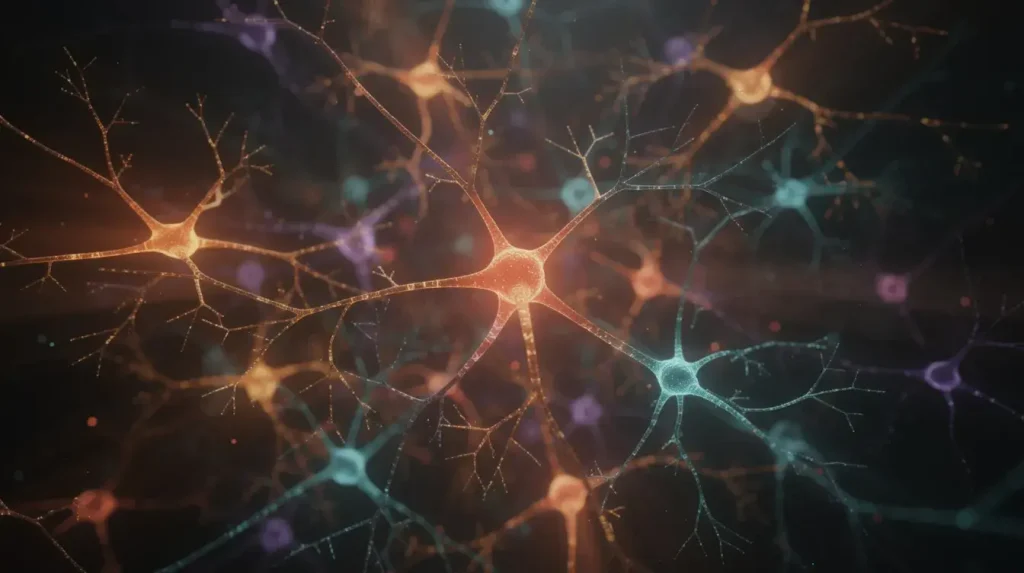
The idea that psilocybin resets neural networks isn’t just anecdotal-it’s backed by functional magnetic resonance imaging data from multiple clinical trials. Scientists have mapped how a macrodose temporarily disrupts rigid brain activity and allows new connections between brain regions to form, which may explain why the drug produces rapid and lasting antidepressant effects in humans.
- The default mode network (DMN) is a brain network involved in self-talk, rumination, memory retrieval, and a person’s sense of identity. In depression and anxiety, the DMN is often hyperactive, trapping people in loops of negative self-referential thinking.
- Imperial College London, 2016 (Carhart-Harris et al.): In a study, 20 patients with treatment-resistant depression received two doses of psilocybin. In the trial, patients received 10 mg and 25 mg doses spaced one week apart. Researchers found that 67% were in remission at one week; 42% remained in remission at three months. Psilocybin can reduce depressive symptoms immediately after treatment, and the analysis of fMRI data showed decreased blood flow in the amygdala and reduced over-connectivity within the DMN.
- Johns Hopkins, 2022: Patients with major depressive disorder received two high-dose psilocybin sessions plus therapy. Depression scores dropped from ~22.8 to ~8.7 within one week. At 12 months, 58% remained in remission. Some psilocybin effects can last up to a year after treatment-findings that clinical trials with standard antidepressants rarely match.
- Siegel et al., Nature 2024: Seven volunteers received a single 25 mg dose. The study used imaging to produce what resembles a heat map of brain activity disruption, revealing that psilocybin caused over three-fold greater desynchronization than a stimulant control. Specifically, communication pathways between the anterior hippocampus (involved in memory and emotion) and the DMN were weakened for weeks after the drug wears off. This persistent change in how neurons fire across different brain regions may explain the lasting antidepressant responses.
- Psilocybin activates serotonin receptors in the brain, specifically 5-HT2A, which triggers a cascade that promotes neuroplasticity-the ability of neural networks to rewire. Psychedelics like psilocybin can promote long-term neural plasticity, and psychedelics can induce neuroplasticity and long-term brain changes. Many studies now support the idea that this plasticity is what allows new mental patterns to take hold.
- Carefully supervised clinical research has shown potential benefits of macrodosing, but the science is still developing. These findings involved carefully controlled macrodoses and therapeutic support-not casual or unsupervised use. Researchers caution that self-medication with psilocybin is not recommended.
What a Macrodose Experience Feels Like
A typical macrodose journey lasts 4–6 hours from onset to rest. Understanding the arc can help you prepare and interpret what your brain is doing at each stage.
- Onset (30–60 minutes): Psilocybin is quickly converted to psilocin after ingestion, which then binds to serotonin receptors across key brain regions. You may notice heightened colours, body tingling, shifts in sense of time, and a growing awareness that your normal perception is changing.
- Peak (1.5–3 hours): Strong alterations in a person’s sense of self, emotional catharsis, and vivid imagery. Imaging data from the studies above confirm that brain regions begin “talking” in new ways-network boundaries dissolve, and communication pathways that are normally segregated start to overlap. Users often report insights about relationships, trauma, or life priorities that feel genuinely new.
- Comedown (3–6 hours): Gradual return to baseline brain activity. Many people describe an afterglow-emotional openness, calm, and a window of enhanced plasticity in which new habits and perspectives can stick. This is a critical period for integration.
- Intensity factors: Dose, strain (Golden Teacher vs. Penis Envy), body weight, mental health history, and whether it’s truly a first time macrodose all shape the experience.
- Difficult moments-anxiety, grief, fear-are common and do not automatically mean a bad trip. High doses of psychedelics can cause intense negative experiences known as bad trips, but challenging emotion can still be healing when supported by good preparation and a safe setting.
Designing a Macrodose Within Your Microdosing Routine
Here’s a step-by-step approach for adults in Canada who want to integrate a single macrodose into their existing schedule. This is not medicine-treat it as a framework informed by research, not a prescription.
- Pause microdosing 2–3 days before your planned macrodose to reduce tolerance and allow serotonin receptors to resensitize.
- Choose a calm day with no responsibilities: full day off work, no driving, minimal digital distractions. Safe psychedelic experiences depend heavily on set and setting.
- Starting ranges: ~1–1.5 g dried mushrooms for a cautious first macrodose; 1.5–3 g for a typical full psychedelic experience; 3–5 g only for experienced users with strong support. Consult a psilocybin dosage guide for strain-specific recommendations.
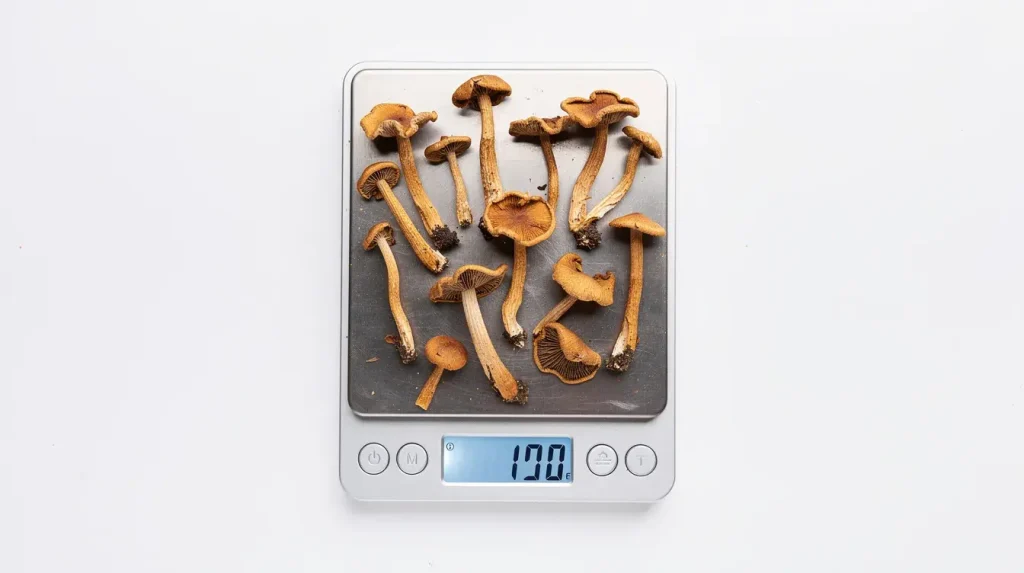
- Weigh precisely with a digital scale. Lab-tested strains with known potency make dosing far more predictable than guessing with unverified product.
- Have a sober, trusted trip sitter present, especially for first-time macrodosers or anyone with mental health vulnerabilities.
- Journal your intentions beforehand-what you want to explore (depression, anxiety, creative blocks, stress)-and schedule time in the following week to reflect, write, or talk with a therapist.
- Resume microdosing 3–7 days after the macrodose. Many people use low-dose capsules to ground insights and stabilize new patterns as neural networks settle. After the drug wears off, this integration period is where the real world application of your experience begins.
Safety, Risks, and Who Should Avoid Macrodosing
Macrodosing carries significant psychological risks if the user is unprepared. This section is non-negotiable reading before you plan a high-dose session.
- Intense anxiety, temporary paranoia, and resurfacing of buried emotion or memory can be overwhelming without proper support. Long-term risks of psychedelics may include persistent anxiety and lasting perception changes in a small number of individuals.
- Who should avoid macrodoses or consult a doctor first: people with personal or family history of psychosis, bipolar I disorder, schizophrenia, or severe cardiovascular conditions.
- Medication interactions: SSRIs, SNRIs, MAOIs, lithium, and certain antipsychotics can dangerously interact with psilocybin. Consult a healthcare professional before combining any psychedelic drug with prescription medication. Review microdose safety guidance for more detail.
- Set and setting: Stable mindset, safe indoor environment, comfortable temperature, calming music, and no access to vehicles. In clinical trials, psilocybin is administered with trained therapists; at home, a sober sitter and a safety plan (water, blanket, emergency contacts) are the minimum.
- Substances like psilocybin remain illegal in many jurisdictions, complicating regulation. Canada Shrooms does not provide medical advice or psychotherapy-its role is supplying high-quality, lab-tested products for informed adult use in Canada.
How Canada Shrooms Supports Your Macrodose + Microdose Journey
Canada Shrooms exists to give you reliable tools-not to push frequent high-dose use. Here’s how the product line fits a thoughtful hybrid approach:
- Lab-tested dried mushrooms in popular strains like Golden Teachers, Blue Meanie, and Melmac for carefully measured macrodoses. Lab-tested products are shipped securely to customers across Canada.
- Microdose capsules, gummies, and drops with clearly labeled psilocybin content, making it simple to follow structured schedules before and after a macrodose reset. Shipping options vary based on product and destination.
- Discreet, odor-proof packaging ensures privacy for online psilocybin purchases-no labels that reveal contents.
- Strain guides and dosage resources help you choose products aligned with your goals, whether you want a gentler introspective session or a more intense experience. Explore Canada Shrooms’ educational guides for deeper reading, and contact support with product questions. For medical or mental health concerns, always work with a licensed professional.
FAQ
How often should I take a macrodose if I’m already microdosing?
Most people find one macrodose every 3–4 months-or even once per year-sufficient to feel a meaningful brain and mindset reset. Frequent macrodosing increases psychological risks and is not supported by current clinical research, which typically uses one to three high-dose sessions total. Focus energy on integration between sessions: therapy, journaling, and lifestyle changes will do more for you than chasing repeated peak experiences. Clinical trials show psilocybin can improve mood and stress relief with remarkably few doses.
Can I microdose the day after a macrodose?
It’s best to wait at least 2–3 days after a high-dose experience before resuming microdosing, giving brain chemistry, sleep, and emotion time to settle. Some people prefer a full week off to observe baseline mood and brain activity without additional psilocybin. Tolerance to psilocybin is highest in the days right after a macrodose, so microdoses taken too soon may feel less effective. Learn more about choosing the right protocol for your post-macrodose schedule.
Is a macrodose safe for my first ever psychedelic experience?
Many participants in the studies above were first-time psychedelic users, but they were closely screened and supported by professionals throughout. For at-home use, consider starting with a lower-end macrodose (around 1–1.5 g of dried mushrooms) or even a “mini-dose” test run to understand your sensitivity to the psychoactive compound. A sober sitter, a safe environment, and prior research on what to expect are essential, especially for a first time experience. Read a beginner’s guide to taking magic mushrooms before your session.
Do different brain regions react differently to microdoses vs. macrodoses?
Most imaging data on psilocybin come from macrodose studies, which clearly show impact on the default mode network, amygdala, anterior hippocampus, and large-scale brain network connectivity. Microdosing likely produces subtler modulation of brain activity and communication pathways, but current evidence is limited-based mostly on surveys and a few small trials. When scientists and researchers explain that psilocybin “resets” neural networks, they are almost always referring to effects observed at macrodose levels in the world of psychedelic medicine, not microdoses.
Can a single macrodose cure depression permanently?
Some clinical participants experienced relief for months to a year after one or two psilocybin sessions, with psilocybin’s long-term effects now documented across multiple trials. However, psilocybin is not a guaranteed cure for anyone. It can open a window of neural plasticity and emotional clarity, but lasting change depends on follow-up care, lifestyle, and ongoing support. If you’re dealing with moderate to severe depression, work with a qualified mental health professional and treat any macrodose as one tool among many-not a stand-alone solution.

