
A bad trip can feel like the world is collapsing around you, but understanding what’s happening and knowing what to do makes all the difference. This guide provides practical, grounded advice for anyone in Canada navigating a difficult psilocybin experience—whether you’re supporting someone else or managing one yourself.
Quick help: what to do right now if someone is having a bad trip
Bad trips are frightening, but they are almost always temporary and survivable. The acute effects of psilocybin mushrooms typically resolve within 4–8 hours, and most people recover fully with proper support.
Immediate actions:
- Remove them from crowds and noise — Move to a quiet, dimly lit space like a bedroom or living room
- Reassure them calmly — Use simple phrases: “This is the mushrooms; it will pass soon”
- Offer water — Small sips help, but don’t force anything
- Help them sit or lie somewhere safe — Provide blankets and pillows
- Avoid arguing — Don’t debate their hallucinations or laugh at their fear
- Monitor breathing and temperature — Watch for signs of physical distress
When to call 911 in Canada:
- Chest pain or difficulty breathing
- Seizures
- Suicidal behaviour or violent actions
- Severe confusion lasting several hours
- Dangerously high temperature with profuse sweating
Remember that psilocybin effects typically peak 1–3 hours after ingestion. Knowing this timeline can help the person tolerate what they’re experiencing. Canada Shrooms does not provide medical care—always prioritize professional help if you’re unsure about someone’s safety.
What is a bad trip on psilocybin mushrooms?
A “trip” refers to the full duration of a psychoactive substance’s effects on consciousness. A bad trip specifically involves intense psychological distress: extreme fear, paranoia, confusion, and disturbing perceptions that feel impossible to escape.
For magic mushrooms at common recreational doses (1–3g dried), the typical timeline looks like this:
| Phase | Timing |
|---|---|
| Onset | 20–60 minutes |
| Peak intensity | 1–3 hours |
| Total duration | 4–6 hours |
| Lingering afterglow | Up to 8 hours |
Not every challenging experience qualifies as a true bad trip. Some difficulties lead to meaningful insights afterward. However, panic-level episodes involving terror, depersonalization, or feeling trapped in your mind are genuinely overwhelming.
A 2016 survey of approximately 1,900 mushroom users found that about one-third described their most difficult psilocybin experience as among their hardest life experiences. Yet over 80% of participants reported long-term positive insights despite the suffering. This research, discussed in psychedelic studies circles including work connected to the Multidisciplinary Association for Psychedelic Studies, suggests that even frightening trips are usually survivable and sometimes transformative.
Why do bad trips happen? (Set, setting, substance)
The classic framework for understanding psychedelic experiences comes down to three factors: set, setting, and substance.
Set (Mindset)
- Current emotional state and expectations
- Mental health history (anxiety, depression, PTSD)
- Sleep quality and life stressors
- Unresolved fears or grief
Setting (Environment)
- Physical space: safe home vs. chaotic party
- Presence of trusted people vs. isolation
- Noise levels, lighting, and overall comfort
- Access to bathroom, water, and fresh air
Substance (The Drug Itself)
- Dose amount (1g vs. 3.5g dried)
- Mushroom species and strain potency
- Mixing with alcohol, cannabis, or other psychoactive drugs
For example, a 3.5g dose of Golden Teacher taken alone at a loud party dramatically increases risk compared to a 1g dose with a trusted friend at home.
Survey research on challenging psilocybin experiences consistently shows that higher dose, longer duration, limited social support, and uncomfortable environments all increase the likelihood of distress. Even experienced users with excellent preparation can occasionally have an unexpectedly difficult trip—these factors reduce risk but don’t eliminate it.
Early warning signs that a psilocybin trip is turning bad
Catching a bad trip early makes it far easier to redirect. Trip sitters should watch for these signals.
Psychological warning signs:
- Rising wave of anxiety that won’t settle
- Feeling “trapped in your head”
- Intrusive negative thoughts about dying or going insane
- Paranoia about people present
- Sense that time has stopped or reality is dissolving
Physical warning signs:
- Rapid heart rate and shallow breathing
- Trembling or agitation
- Pacing or inability to sit still
- Talking very fast or becoming completely withdrawn
These differ from normal intense sensations like visual patterns, emotional release, or mild nausea. The key distinction is escalating distress that doesn’t respond to simple reassurance.
Trip sitters should check in verbally and non-judgmentally: “Do you feel scared?” or “Want to move to another room?” Simple questions can prevent full escalation.
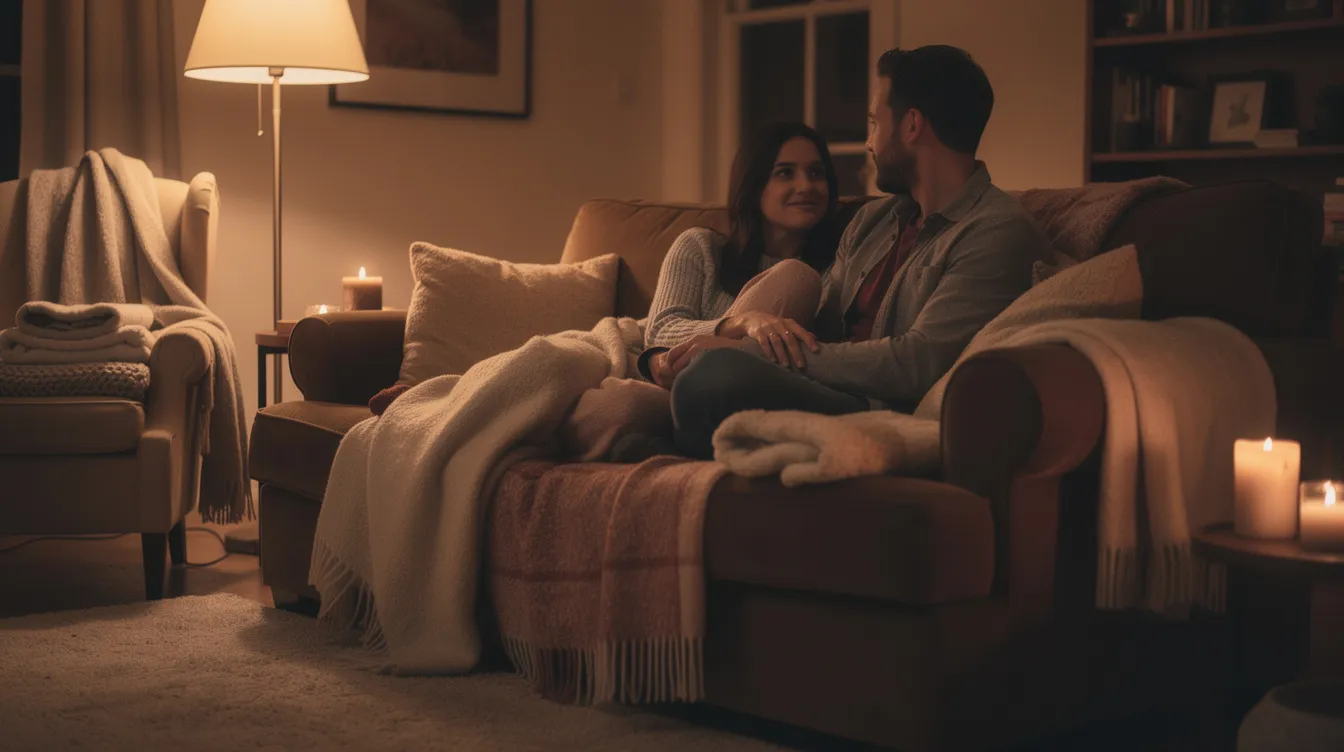
Step-by-step: how to support someone during a bad mushroom trip
This section provides a practical, chronological guide for sober sitters, partners, or friends supporting someone through a difficult experience.
Step 1: Assess safety
- Discreetly remove sharp objects, car keys, and access to balconies
- Ensure the person cannot accidentally harm themselves
- Don’t make them feel controlled or imprisoned
Step 2: Change environment
- Dim lights and lower or turn off music
- Reduce the number of people in the room
- Provide blankets, water, and access to a nearby bathroom
Step 3: Provide grounding and reassurance
- Breathe slowly together (4–6 breaths per minute)
- Have them hold a pillow or blanket
- Ask them to name 5 things they can see, hear, or feel
Sample reassurance phrases:
- “You took mushrooms; this feeling will pass”
- “You are safe here in [city] with me”
- “Your heart is beating fast because you’re scared, not because you’re dying”
Step 4: Support through peak
- Stay present and calm during the 1–3 hour peak
- Keep conversation simple and grounding
- Avoid debating their perceptions or trying to talk them out of hallucinations
Step 5: Monitor comedown
- As effects subside, offer water and light snacks
- Encourage rest in a comfortable position
What NOT to do:
- Don’t laugh at them or film their distress
- Don’t argue about what they’re seeing
- Don’t threaten consequences
If the person expresses suicidal intent, violent behaviour, chest pain, seizures, or extreme confusion lasting hours, call 911 immediately. Honesty about psilocybin use helps hospital staff provide appropriate treatment.
Check out this article on “How To Be A Good Trip Sitter” for more information.
Self-rescue: what to do if you are tripping badly and alone
Many users in Canada consume psilocybin alone at home. If things become overwhelming, self-management tools matter.
Before you ingest: Write a note to your future self: “I took mushrooms at [time]. This is temporary. Effects end in 4–6 hours. I am safe.”
Immediate actions:
- Change rooms to shift your mental state
- Lower lights and play calming music
- Put on comfortable clothes
- Sip water slowly
- Put phone on “Do Not Disturb” except emergency contacts
Self-talk techniques: Repeat mantras: “I am safe. This is temporary. This is a drug effect.” Read your pre-written reassurance note aloud.
Distraction anchors: Play a 10–15 minute guided breathing or body scan audio to occupy your attention.
When to reach out: Text or call a trusted sober friend: “I took mushrooms around [time]. I’m scared and need someone to talk to.”
If you cannot control impulses, are considering self-harm, or feel totally disconnected from reality, call 911 or a local crisis line. Honestly state you took mushrooms—this helps responders protect you.
Trip killers, medications, and when to seek medical help
“Trip killers” are substances suggested to shorten or blunt psychedelic effects. They require extreme caution.
In clinical settings, physicians may use benzodiazepines (lorazepam, diazepam) or antipsychotics to manage severe agitation or psychosis. These are prescription drugs with real risks.
Online communities commonly discuss Xanax, quetiapine, or similar medications. However, unsupervised use, mixing substances, or taking unknown doses can be dangerous and is not recommended by researchers or harm reduction organizations.
Go to the ER or call 911 if:
- Chest pain or difficulty breathing occurs
- Seizures happen
- Violent or suicidal behaviour emerges
- The person cannot recognize familiar people after several hours
- Dangerously high temperature with confusion and sweating
Canadian emergency departments regularly handle substance-related cases. Staff focus on safety, not punishment. Simple honesty about psilocybin use aids treatment significantly.
Canada Shrooms does not provide medical advice or endorse using any non-prescribed pharmaceuticals as trip killers.
Preventing bad trips before they start
Prevention is the most effective approach, especially for Canadians planning their first psilocybin experience.
Dosage guidance for dried psilocybin mushrooms:
| Level | Dose | Notes |
|---|---|---|
| Microdose | 0.1–0.3g | Sub-perceptual |
| Light | 0.5–1g | Mild effects, good for beginners |
| Moderate | 1–2g | Noticeable psychedelic effects |
| Strong | 2–3.5g | Intense experience, higher risk |
Potency varies by strain and individual sensitivity. First-time users should start low (0.5–1g) and avoid combining with alcohol, cannabis, or other hallucinogens like LSD.
Key prevention strategies:
- Use in a safe private space (home or trusted friend’s place)
- Have a sober, experienced sitter present
- Turn off work notifications and clear tomorrow’s schedule
- Ensure adequate sleep and hydration
- Eat a light meal 3–4 hours prior
Screening considerations: People with personal or family history of psychosis, bipolar disorder, or severe untreated mental illness should avoid high doses outside medical supervision. This advice aligns with guidelines from organizations like NIDA and insights from psychiatry literature published in journals covering psychopharmacology.
Canada Shrooms provides lab-tested products with clear dosing information to help reduce—not eliminate—the risk of difficult experiences.
Aftercare: integrating a difficult psilocybin experience
The work isn’t over once the trip ends. How you process a bad trip in the following days determines whether it becomes traumatic or transformative.
Within 24–72 hours:
- Prioritize rest and hydration
- Take gentle walks or do light stretching
- Avoid important decisions until feeling fully grounded
- Skip drinking alcohol or using other substances
Integration practices:
- Journal specific memories, insights, and fears while fresh
- Focus on what the experience might be pointing toward in your life
- Talk with a trusted, non-judgmental friend or member of your support network
- Consider therapy with someone familiar with psychedelics
Survey research shows that a majority of people who had very challenging psilocybin experiences later rated them as personally meaningful or spiritually significant once integrated. Interest in psychedelic-assisted treatment for conditions like depression and PTSD continues growing, with ongoing research in the USA and Canada exploring these applications.
Warning signs requiring professional help:
- Ongoing anxiety or mood swings lasting more than two weeks
- Flashbacks or depersonalization
- Persistent difficulties with daily functioning
Don’t immediately re-dose to “fix” a bad trip. Take a substantial break and reassess your relationship to psychedelics.
How Canada Shrooms supports safer psilocybin use
Canada Shrooms is a Canadian online dispensary focused on quality, education, and harm reduction for adults exploring psilocybin.
Quality measures:
- Lab testing for potency and contaminants
- Clear labeling of strains and approximate psilocybin content
- Detailed product descriptions matching doses to intentions
Service features:
- Discreet, trackable shipping within Canada
- Age verification and secure payment options
- Products never on sale to minors
Educational resources:
- Dosage guides and microdosing information
- Harm-reduction articles like this page
- Strain-specific guidance for different experience levels
Canada Shrooms cannot provide emergency or personalized medical advice. We encourage customers to consult healthcare professionals about mental health concerns or medication interactions.
Psilocybin can be a powerful tool when approached with respect, preparation, and support. Our goal is helping Canadians minimize risks while exploring its potential benefits responsibly.